Discovering Dubai's Iconic Landmarks and Their Impact

Intro
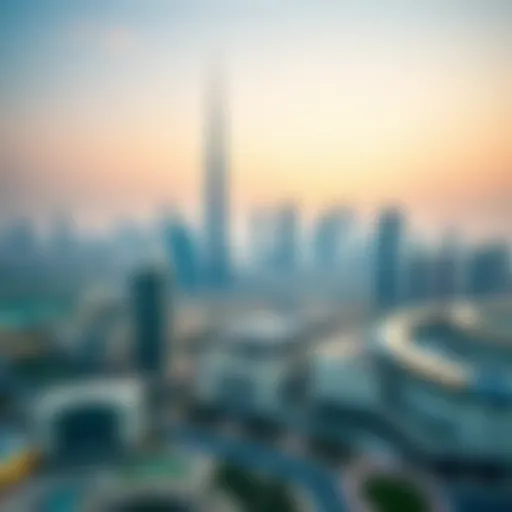
Dubai, the jewel of the Middle East, stands like an architectural marvel on the sands of the Arabian Desert. Known for its exquisite skyline and luxurious lifestyle, it has transformed from a modest fishing village into a global economic powerhouse in just a few decades. The city is home to remarkable landmarks that are not only symbols of its rapid growth but also reflections of its rich history and culture.
Amidst the shimmering skyscrapers and vast malls, there lies an intricate tapestry of past and future—a blend of tradition and modernity. This article takes a closer look at the architectural wonders that define Dubai's unique identity, from the height of the Burj Khalifa to the tranquil charm of the Dubai Marina.
As we journey through these iconic destinations, we will delve deeper into their significance, aiming to shed light not only on their aesthetic allure but also their role in shaping the city’s real estate trends and lifestyle dynamics. Understanding these landmarks provides valuable insights for investors and homebuyers interested in the unique opportunities that Dubai has to offer.
We'll explore various facets of Dubai's real estate market, including current trends, investment strategies, and a glimpse into the future. By synthesizing key information on Dubai’s most notable landmarks, this article will equip you with a comprehensive view of a city that epitomizes the spirit of innovation against a backdrop of dazzling beauty.
Whether you are a seasoned investor, a potential homebuyer, or simply someone keen to understand what makes Dubai tick, this exploration of its landmarks promises to be both informative and enlightening.
"Dubai is a city that is not merely built; it is crafted with an imagination that defies limits."
Let's embark on this journey of admiration and insight, where each landmark tells a story—and each story adds a layer to the rich tapestry that is Dubai.
Prelude to Dubai's Architectural Marvels
Dubai stands as a testament to what human creativity and ambition can achieve. The city, over a span of a few decades, has transitioned from a humble fishing port to a global hub of innovation and luxury. This remarkable evolution is highlighted by its architectural marvels, each more mesmerizing than the last. In this section, we will delve into the importance of Dubai’s architectural feats, their impact on society, and why they hold a mirror to the cultural tapestry of the city.
The landmarks of Dubai are not just structures; they are symbols of progress. Take, for instance, the Burj Khalifa, the tallest building in the world. It epitomizes the heights of modern engineering and design. But it's not merely a skyscraper; it reflects the spirit of a city unafraid to push boundaries. As property managers, investors, and homebuyers seek to make informed decisions, understanding the evolution and cultural significance of these structures becomes vital.
Key elements defining Dubai’s architectural landscape include:
- Innovation: Each building is a piece of art that uses cutting-edge technology, featuring designs that challenge conventional norms.
- Cultural Fusion: The city is a melting pot of cultures which influences architectural styles, symbolizing the unity in diversity.
- Economic Growth: These structures often lead to increased tourism and real estate development, directly impacting local economies.
- Sustainability: Newer landmarks are increasingly designed with eco-friendliness in mind, addressing global concerns through local implementations.
Understanding these elements helps appreciate not just the skyline but the economic and cultural heartbeat of Dubai. As we dive deeper, we uncover how each landmark plays a role not just in that landscape but in the daily lives of its residents and visitors.
The Evolution of Dubai's Skyline
The skyline of Dubai is almost like an artist’s canvas, continuously evolving. What began with modest structures has burgeoned into a panorama filled with innovative structures. From the early days, when homes were primarily made of coral and palm fronds, to today’s glass-clad skyscrapers, the transformation is astounding. In the 1990s, pivotal projects like the Emirates Towers transitioned the city into the modern era, paving the way for further ambitious endeavors.
This evolution isn’t just about height; it’s about ambition. Each new structure seems to engage in a friendly competition of who can challenge gravity or redefine how we view space.
Noteworthy landmarks include:
- Burj Khalifa: Rising to 828 meters, it’s a marvel of engineering, but what’s more fascinating is its role in putting Dubai on the global stage.
- Dubai Marina Towers: Iconic for its stunning views and unique design, it reflects contemporary urban life.'
- The Dubai Frame: A blend of symbolism and function, it captures the essence of the old and new Dubai.
This constantly shifting skyline is not just pleasing to the eye but also creates opportunities for urban planning and real estate development that investors should pay attention to.
Cultural Significance of Key Landmarks
Each landmark in Dubai is steeped in meaning, representing more than just a point on a map. They resonate with stories, traditions, and future aspirations. For investors and homebuyers, comprehending these cultural narratives is essential. It's what leads to a robust connection with the community and a deeper appreciation for the assets they manage or seek.
For instance, the Al Fahidi Historical District offers a glimpse into Dubai’s soul, showcasing traditional wind towers that symbolize the foresight of the city's forefathers in utilizing natural cooling techniques long before modern air conditioning.
Moreover, venues like the Dubai Opera go beyond mere entertainment spaces. They foster cultural appreciation and community engagement, bridging the gap between the traditional and the contemporary.
To sum up, as Dubai continues to grow and evolve, its landmarks will undoubtedly play pivotal roles in shaping the city’s identity and economy. Investors, homebuyers, and property managers should not only see these structures as commodities but also as vibrant contributors to a rich and diverse legacy. With a deeper understanding of architectural marvels, stakeholders can navigate and appreciate the beauty that defines Dubai.
Burj Khalifa: The Pinnacle of Modern Engineering
The Burj Khalifa stands out as a testament to human ingenuity, not just in its unmatched height but also in the meticulous planning and execution behind it. As the tallest building in the world, its significance stretches beyond mere statistics; it embodies Dubai's rapid ascension to the forefront of modern architecture and engineering prowess. Investors and property managers should take a keen interest in its impact on Dubai's real estate market and urban identity.
Design and Construction Insights
Crafted by the architectural firm Skidmore, Owings & Merrill, the Burj Khalifa's design is inspired by the geometries of a desert flower, specifically the Hymenocallis. The building's three-lobed footprint is a nod to traditional Islamic architecture, symbolizing the region's cultural heritage. But even more impressive is the engineering that supports its towering frame.
The construction spanned six years, from 2004 until its completion in 2010, and involved over 12,000 workers at its peak. The use of high-performance concrete, specially designed to withstand Dubai's extreme temperatures, allowed for the swift rise of this enormous structure. The building reaches a staggering height of 828 meters, or 2,717 feet, employing a mix of pouring methods like jump-form for the core and slip-form for the floors.
"The Burj Khalifa is a symbol of what can be achieved with the right mix of determination and innovative engineering."
Moreover, the Burj Khalifa is leveled up with features such as a series of setbacks that not only reduce wind forces but also add elegance to its silhouette. The meticulous attention to detail and precision engineering reflects the ambitions of a city that refuses to settle for mediocrity. The structure has impressed engineers and architects worldwide, setting a benchmark for future skyscrapers.
The Observation Deck Experience
One of the primary attractions of the Burj Khalifa is undoubtedly the observation deck, known as "At the Top." Located on the 124th floor, it offers panoramic views that stretch far and wide, encapsulating the stunning vistas of Dubai. Guests are whisked up by lightning-fast elevators, traveling at speeds of 10 meters per second, making the ascent part of the thrill.
Visitors are greeted with floor-to-ceiling glass windows, providing a clear sightline of the city below, the desert beyond, and the Arabian Gulf to the side. The experience isn’t merely about the awe-inspiring heights; it also includes educational displays about Dubai’s history, construction, and the various landmarks visible from the deck. This cohesive blend of observation and education caters to various tourists, from casual sightseers to those keen on architectural insights.
Furthermore, the Burj Khalifa has become a backdrop for countless events, not just within its walls but spanning the entire city. Such experiences elevate its status as a cultural beacon, drawing both international tourists and local residents to the area. This multi-faceted appeal enhances real estate opportunities around the vicinity, making properties nearby particularly valuable.
Understanding the Burj Khalifa's intricacies and its profound effect on Dubai's skyline offers investors and homebuyers a closer look into the city's continuously evolving landscape. As the city grows, so does the potential for lucrative opportunities in the real estate sector, driven in part by the allure of this architectural marvel.
The Dubai Mall: A Retail Experience like No Other
The Dubai Mall stands as a testimony to modern retail excellence, leaving a lasting imprint on both locals and tourists alike. Spanning over 1,200,000 square meters, this mammoth structure is not just about shopping; it's a dynamic hub of entertainment, fine dining, and cultural experiences. This analysis will dive into what makes the mall a pivotal player in Dubai’s architectural landscape and its economics.
Architectural Features of the Mall
The design of The Dubai Mall encapsulates a vibrant fusion of aesthetics and functionality. Earthy tones and glassy expanses create an inviting atmosphere, showcasing sleek lines and spacious layouts. With an impressive 1,200 stores, the mall accommodates a blend of high-end brands like Chanel and Giorgio Armani, sitting alongside familiar favorites such as Zara and H&M.
- The waterfront terrace offers an enviable view of the Burj Khalifa, perfectly framed against the shimmering waters of the Dubai Fountain.
- Inside, the mall houses the Dubai Aquarium, which lets visitors peer into an underwater world without getting wet.
- Moreover, the mall’s design prioritizes eco-friendliness with its use of natural light and water-saving installations.
On top of these striking features, the mall’s open spaces are designed for events and gatherings, ensuring that it is more than just a shopping destination. Thus, The Dubai Mall evolves with its visitors, adapting to seasonal festivities and special occasions.
Integration with Surrounding Infrastructure
Situated at the heart of downtown Dubai, The Dubai Mall connects seamlessly with surrounding significant structures, enhancing both its accessibility and appeal. The robust infrastructure includes direct links to the Dubai Metro, making it easy for residents and tourists to reach the mall without the hassle of traffic.
Key aspects of this integration include:
- Accessibility to Public Transport: The proximity to multiple transit options ensures a steady flow of visitors, bolstering the mall’s foot traffic.
- Connection to Burj Khalifa: Visitors can enjoy a stroll from the mall to the world’s tallest building, strengthening the synergy between these iconic landmarks.
- Surrounding Developments: New real estate projects nearby have further elevated the area’s status, contributing to a thriving ecosystem where leisure and business flourish side by side.
"The Dubai Mall is not just a shopping haven; it’s a cultural phenomenon that thrives on community engagement and environmental consciousness."
In summary, The Dubai Mall's architectural brilliance and strategic integration with essential transit networks crystallize its importance in the larger narrative of Dubai’s urban environment. It offers an experience like no other, while also influencing the real estate dynamics and lifestyle choices of the city. Its role as both a commercial and cultural nucleus cannot be overstated, making it an essential subject in any discussion surrounding Dubai's landmark structures.
Palm Jumeirah: An Engineering Feat
The Palm Jumeirah stands as a testament to human ingenuity and determination, taking a spot among the most iconic landmarks of Dubai. This artificial archipelago, shaped like a palm tree, is not just an emblem of luxury and opulence; it embodies the bold vision of same innovative, forward-thinking city. As one explores this marvel, the intricate planning and development challenges come to light, revealing the dedication that went into creating a place that not only attracts tourists but also serves as a thriving community.
Planning and Development Challenges
Building something as elaborate as Palm Jumeirah was no walk in the park. The very idea of reclaiming land from the sea was revolutionary. The massive undertaking involved meticulous dredging efforts and the placement of millions of tons of rock and sand to ensure the stability of the islands. Engineers faced numerous obstacles, particularly regarding environmental concerns. Protecting the marine ecosystem during construction required innovative solutions and constant monitoring to mitigate any negative impact.
The project’s design had to ensure that the island could withstand harsh weather conditions, including high winds and tidal changes. Adapting construction methods to the unique soil composition and the challenges posed by the underwater topography was crucial. The location's logistics necessitated creative transportation strategies to import materials and skilled labor.
Despite these hurdles, the project hit its stride thanks to a collection of dedicated professionals and cutting-edge construction techniques. The vision to achieve an extravagant city, with luxury living at its core, became a reality through resilience and a commitment to excellence.
Real Estate Opportunities on the Palm
The allure of Palm Jumeirah extends beyond its aesthetic appeal; it represents a lucrative marketplace for real estate investors and homebuyers alike. The development offers an exceptional blend of luxurious villas, penthouses, and beachfront apartments, catering to a wide range of preferences. Many properties provide stunning views of the Arabian Gulf or the glittering skyline of Dubai.
Potential buyers find Palm Jumeirah attractive for several reasons:
- Exclusive Living: The island boasts a reputation for luxury, appealing to affluent individuals seeking an upscale lifestyle.
- Resort Amenities: Residents have access to world-class facilities, including private beaches, top-notch dining options, and leisure activities that encompass everything from water sports to spa experiences.
- High Return on Investment: Given the demand for premium properties in exceptional locations, investing here offers promising returns, making it a sensible choice for long-term investments.
Moreover, the island is well-connected to the rest of Dubai, enabling easy access to key areas. This connectivity enhances its desirability, ensuring that property values remain robust. As Dubai continues to grow and attract a global audience, the real estate landscape in Palm Jumeirah is likely to flourish, making it a hot spot for anyone looking to plant roots in a vibrant yet prestigious community.
Palm Jumeirah is not just a landmark; it’s a lifestyle, an investment, and a symbol of ambition.
For further insights, one can explore resources such as Wikipedia and Britannica to understand more about its development and cultural significance.
Dubai Marina: A Modern Waterfront Community
Dubai Marina stands as a shining example of luxury and modern living within the sprawling landscape of Dubai. This remarkable waterfront community captures the essence of Dubai's ambitious spirit, appealing particularly to investors, homebuyers, and property managers alike. The significance of Dubai Marina in the broader context of Dubai’s architecture cannot be overstated. It not only enhances the city’s skyline but also embodies a lifestyle of opulence that caters to a diverse set of residents and visitors.
Lifestyle and Living in Dubai Marina
In Dubai Marina, the lifestyle is woven around leisure, entertainment, and luxury. Here, you can find high-end apartments offering breathtaking views of the marina and the Arabian Gulf. Strolling along the promenade, one encounters a picturesque array of dining options, retail shops, and recreational activities—everything you could possibly want is practically at your fingertips.
Residents of Dubai Marina enjoy the unique blend of urban vibrancy and tranquil water life. Properties here are often designed to promote open spaces, sunlight, and fresh air. Many buildings include amenities like gyms, pools, and landscaped gardens that contribute to a healthier, more enjoyable living experience.
- Community Amenities:
- Parks and green spaces to unwind.
- Shopping and dining venues catering to various cuisines.
- Access to the beach and fitness centers.
Moreover, the sense of community is palpable with regular events and gatherings that foster social interaction, making it a desirable location for both young professionals and families. Living in Dubai Marina offers the privilege of being at the heart of a progressive city while still allowing for a relaxed lifestyle by the water.
The Importance of Waterfront Properties
Waterfront properties carry unique value, both commercially and residentially, and Dubai Marina exemplifies this with stunning effect. The allure of waterfront living extends beyond aesthetic pleasure; it is also about investment potential and quality of life.
Owning property in such prime locations often assures greater returns compared to inland real estate. Investors recognize the significance of waterfront properties for several reasons:
- Increased Demand: Due to the appealing scenery and recreational activities available, properties in waterfront areas typically enjoy high demand, keeping rental yields attractive.
- Luxury Appeal: Property on the water often comes with a perception of luxury, appealing to high net-worth individuals looking for premium living spaces.
- Tourism Boost: Areas like Dubai Marina attract tourists year-round, creating opportunities for short-term rentals and hospitality investments.
"Waterfront living is not just about the view; it’s about creating a lifestyle that thrives on leisure, luxury, and the beauty of nature."
Furthermore, waterfront communities generally feature integrated urban planning, with easy access to public transport, retail, and recreational facilities, enhancing the overall living experience. This thoughtful planning reinforces the importance of Dubai Marina not only as a residential hub but as a focal point for investors eager to capitalize on its growth potential.
In essence, Dubai Marina stands not just as a collection of buildings overlooking water but as a testament to Dubai's innovative approach to modern urban living.
The Dubai Frame: A Symbol of the City
The Dubai Frame stands tall as a compelling narrative of the city's past and a glimpse into its future. Envisioned as a homage to the rich history of Dubai, this architectural wonder serves not only as a tourist attraction but also as a significant cultural emblem for residents and visitors alike. The structure is strategically located between the historic neighborhoods of Old Dubai and the modern skyline, thus capturing the juxtaposition of traditions and contemporary innovations.
Concept and Design
The Dubai Frame is often hailed as an engineering marvel. The design, conceived by the renowned architect Fernando Donis, takes the form of a colossal picture frame, deliberately aligning with the city’s ethos of capturing both the old and the new in a single view.
Standing at a soaring height of 150 meters and stretching 93 meters in width, the frame's minimalist aesthetic utilizes glass and steel, creating a visually striking contrast with the surroundings. Some highlights of its design include:
- Sky Bridge: The glass-floored bridge linking the two towers provides a pulsating sensation for visitors, who can look down at the bustling streets below.
- Observation decks: Offering panoramic views of the city, these decks allow guests to appreciate Dubai in a way that few other landmarks can.
- Lighting: The Frame is beautifully illuminated at night, showcasing its unique architectural lines, which helps to enliven the surrounding area and emphasizes its prominence in the skyline.
This thoughtful design concept genuinely embodies Dubai’s ambition to blend its rich past with progressive visions for the future.
Cultural and Historical Context
To understand the significance of the Dubai Frame, one must consider its placement amidst the city's vibrant cultures. The frame serves as a metaphor for viewing the evolution of Dubai, from a modest fishing village to a bustling global metropolis. It connects the nostalgia of the Al Fahidi Historical District with the opulence of Dubai's more modern advancements.
The Frame also plays a pivotal role in cultural education. The exhibitions within showcase the history of Dubai, focusing on:
- Heritage: Displays highlight the city's evolution, culture, and traditions, giving visitors a thorough insight into the life of Emirati people.
- Future aspirations: Projects and visions for Dubai’s development are presented, emphasizing the city’s ongoing journey towards sustainability and innovation.
"The Dubai Frame is not just an architectural highlight; it reflects a lifestyle and an ongoing narrative that is quintessentially Dubai."
In terms of value for investors and home buyers, the Dubai Frame's proximity to both the old and new areas of the city makes it an ideal location. The surrounding region is expected to see an uptick in real estate interest as tourism continues to thrive. This unique landmark is symbolically central to the unity of development; it breathes life into Dubai's emblematic identity, influencing both the real estate market and cultural interactions among its inhabitants.
Old Dubai: A Glimpse into the City's Heritage
Old Dubai offers a captivating look into the city's rich past, standing in stark contrast to the skyscrapers and ultramodern architecture that dominate the skyline today. While the contemporary marvels define Dubai's present, the historical districts and traditional markets showcase the essence of its beginnings. Here, visitors can immerse themselves in a world that captures the very spirit of this vibrant city, where cultural tapestries are woven with stories of trade, exploration, and community.
This exploration of Old Dubai is relevant not only for those interested in heritage but also for investors and homebuyers keen to understand the dynamics of Dubai's evolving landscape. As the city grows, the balance between modernity and tradition becomes increasingly critical. Understanding Old Dubai offers insight into the values and historical contexts that continue to shape the region's real estate opportunities today.
Exploring the Al Fahidi Historical District
The Al Fahidi Historical District, known locally as Al Bastakiya, provides one of the few areas of the city that has preserved its traditional character. Walking through its narrow lanes, one feels transported back in time. The wind-tower architecture, designed to capture cool breezes, symbolizes the ingenious methods used by Dubai's early inhabitants to cope with the desert climate. Here, the walls whisper tales of merchants and craftsmen who once thrived in this quarter.
Remarkably, the district houses several galleries and museums, offering a glimpse into the Emirati lifestyle and heritage. The Sheikh Mohammed Centre for Cultural Understanding is pivotal, as it engages visitors through educational programs, dispelling myths, and fostering cross-cultural dialogue.
- Notable Features of Al Fahidi:
- Traditional wind towers
- Art galleries and workshops
- Cultural events and festivals
The Al Fahidi district not only preserves history but also stands as a testament to the adaptability of a city that has flourished in the face of change.

The Role of Traditional Markets
Traditional markets, or souks, are the heartbeat of Old Dubai, embodying the vibrant spirit of commerce that has thrived here for centuries. The Gold Souk and Spice Souk are perhaps the most well-known, attracting shoppers and tourists alike with a kaleidoscope of colors, scents, and sounds. The bustling atmosphere is invigorating, with vendors selling everything from precious metals to aromatic spices, reflecting Dubai's historical significance as a trading hub.
These markets are not just places for transactions; they serve as cultural landmarks where the community gathers. Visitors engage in the art of bargaining while exploring the tangible history of trade. The souks' labyrinthine pathways invite exploration, offering unexpected treasures at every corner.
- Benefits of the Souks:
- Cultural immersion
- Economic opportunities for local artisans
- Contribution to tourism and local employment
Dubai Opera: A Cultural Hub
Dubai Opera stands as a monumental beacon of cultural significance within the city, offering a fusion of art and architecture that captivates both residents and visitors alike. It serves as a hub for creativity, hosting performances that range from classical operas to contemporary concerts. The importance of the Dubai Opera in this discussion lies not only in its architectural beauty but also in its role in enhancing Dubai's artistic landscape, thereby attracting both tourists and investors who see potential in the city’s burgeoning cultural scene.
Architecture and Design Features
The architectural design of Dubai Opera is nothing short of inspiring. Designed by the esteemed architect Janus Rostock, the building mimics the shape of a traditional dhow, a type of Arabian boat. This symbolism is significant, reflecting Dubai's rich maritime heritage while blending seamlessly with the modern developments around it. The exterior comprises a glass and concrete façade, allowing for natural light to flood the interior, creating a warm and inviting atmosphere.
Inside, the venue boasts a flexible space that can accommodate up to 2,000 guests. Featuring state-of-the-art acoustics, the concert hall ensures that every note played resonates beautifully, enhancing the audience's experience. The design also includes sweeping views of the Downtown Dubai skyline, further enriching the ambiance during performances. This unique blend of tradition and modernity ensures that Dubai Opera is not merely a building, but a vibrant celebration of art that adds depth to the city’s cultural fabric.
Events and Performances Overview
Dubai Opera hosts a diverse array of events, catering to varied tastes and preferences. From opera and ballet to theater and concerts, the programming is designed to attract a global audience. Notable performances have included the legendary The Phantom of the Opera and famous orchestral concerts featuring renowned artists.
Regular community events also take place, allowing local talent to shine alongside world-class performances. This approach nurtures the arts within Dubai, encouraging younger generations to engage with cultural endeavors. The venue’s calendar is meticulously planned, often highlighting special seasonal events that draw even larger crowds.
"Art is not what you see, but what you make others see." – Edgar Degas
Over the years, many initiatives have sought to involve the community directly, fostering a sense of ownership and pride in this cultural institution. By offering workshops, masterclasses, and family days, it connects with audiences on multiple levels, thus ensuring that it remains a vital part of Dubai's cultural identity.
Burj Al Arab: Luxury Redefined
The Burj Al Arab stands as a beacon of opulence and architectural ingenuity in the heart of Dubai. This remarkable hotel is not just a place to stay; it is a symbol of the city’s ambition and flair for luxury. Towering at 321 meters, its distinctive sail-like silhouette has become synonymous with the Dubai skyline. For investors, homebuyers, and property managers, understanding the Burj Al Arab's significance goes far beyond its striking design; it reflects broader trends in luxury real estate and tourism dynamics in one of the world's fastest-growing cities.
Design and Exotic Features
Crafted by architect Tom Wright, the Burj Al Arab is a masterpiece of modern engineering, embodying luxury on every level. The building’s exterior, a stunning blend of glass and white fabric, evokes the image of a billowing sail, reminiscent of Dubai’s maritime heritage. As guests enter, they are greeted by a lavish lobby adorned with gold leaf and intricate mosaics, creating an atmosphere that speaks volumes about extravagance and sophistication.
- Interior Design: Each suite is a realm of indulgence, featuring top-of-the-line furnishings and amenities. The two-story suites occupy a staggering area of over 180 square meters, complete with private balconies and panoramic views of the Arabian Gulf.
- Sky Suites: What sets Burj Al Arab apart are its sky suites. Here, guests can enjoy features like a grand piano, luxurious spa facilities, and personalized butler service—all emphasizing the even higher tier of lavish living.
- Restaurants: Dining experiences at the Burj Al Arab are nothing short of magical. With seven world-class restaurants including the famed Al Mahara, where culinary creations are served amid a stunning aquarium, the dining experience caters to the most discerning palates.
"Staying at Burj Al Arab is akin to being immersed in a world of unparalleled luxury and service that few places on Earth can offer."
Implications for Luxury Real Estate
The Burj Al Arab has redefined luxury living and set standards that many aspire to emulate. Its existence has profound implications for the luxury real estate market in Dubai.
- Market Inspiration: The hotel has inspired a plethora of luxury projects all over the emirate, encouraging developers to innovate and push the envelope in design and service.
- Real Estate Investment: Properties around the Burj Al Arab enjoy high demand and value. Investors are often drawn to the aura of prestige that surrounds the hotel, making nearby residential units highly desirable.
- Economic Impact: The Burj Al Arab attracts high-end tourism, bolstering local businesses and creating a ripple effect in the luxury sector. Investors who capitalize on this unique market can expect returns that reflect the high demand for exclusive living and investment opportunities.
For further reading on the Burj Al Arab and its impact on luxury real estate, you may explore these resources: Wikipedia, Britannica, and Reddit.
The Global Village: A Cultural Extravaganza
The Global Village stands as a vibrant testament to Dubai's rich tapestry of cultures and traditions, bringing together artisans, entertainers, and culinary experts from around the world. This colossal outdoor venue is not merely an amusement park; it's an experience that encapsulates the essence of global harmony within Dubai's urban fabric. With each pavilion showcasing a unique aspect of its country’s heritage, the Global Village offers more than just entertainment—it's a journey through diverse traditions, foods, and arts, all nested under the glittering desert sky.
Pavilions and Cultural Offerings
The Global Village is divided into numerous pavilions, each a small microcosm of its respective nation, showcasing its unique cultural heritage. Visitors can meander through halls adorned with artifacts, traditional crafts, and culinary delights. For instance, the Indian pavilion bursts with colors, displaying intricate handmade goods, aromatic spices, and a variety of foods that tantalize the taste buds.
In direct contrast, the Italian pavilion invites guests on a sensory wander through its rustic charm, with stalls offering pasta-making demonstrations and dolce tastings that transport one straight to the cobbled streets of Rome. Each pavilion is a carefully curated space that enhances awareness and appreciation for global cultures. Visitors don’t just observe; they partake in performances ranging from folk dances to theatrical shows that bring stories and histories to life.
- Cultural Shows: Various performances are staged daily, highlighting rich traditions from folk dances to musical concerts.
- Craftsmanship: Local artisans display their skills through live demonstrations, bridging the gap between traditional and modern techniques.
- Cuisine: Food stalls serve global delicacies, offering a chance to indulge in diverse culinary experiences.
“At the Global Village, every corner tells a story; it's a living museum of cultures.”
Impact on Tourism and Local Economy
The significance of the Global Village extends beyond mere enjoyment; it plays a crucial role in bolstering Dubai's tourism sector. Each season, this festival draws millions of visitors eager to immerse themselves in cultural experiences, leading to increased footfall in associated businesses, from hotels to transportation services. The sheer volume of tourists enhances local economies, allowing small businesses and entrepreneurs to thrive.
Furthermore, the Global Village strengthens Dubai's image as a global city, reinforcing its position as a preferred destination for cultural tourism.
Some key impacts include:
- Tourist Dollars: The influx of tourists pumps revenue into the economy, benefiting not only entertainment sectors but also hospitality services.
- Job Creation: Seasonal events and pavilions generate short-term and long-term employment opportunities in various sectors.
- Cultural Exchange: The shared experience promotes intercultural understanding and collaboration, essential for fostering social harmony.
In summary, the Global Village is more than just a cultural extravaganza; it's a catalyst for economic growth and a celebration of global unity. Its presence in Dubai enriches the city's narrative, making it not only a place of exceptional modernity but also of cherished traditions and experiences, bridging gaps between nationalities and cultures. As investors and property managers look to the future of Dubai, the ongoing success and popularity of attractions like the Global Village will surely play a defining role in shaping the local landscape.
Dubai Desert Conservation Reserve: Nature's Oasis
The Dubai Desert Conservation Reserve stands as a remarkable testament to the harmony between urban progress and environmental stewardship. As a protected area, it plays a crucial role in conserving the native flora and fauna of the Arabian Desert, ensuring that even amidst the bustle of skyscrapers and luxury shopping malls, the essence of nature finds a sanctuary. It holds a mirror to Dubai's commitment to preserving its ecological heritage while fostering sustainable development.
Wildlife Preservation Efforts
One of the cornerstones of the Dubai Desert Conservation Reserve is its wildlife preservation initiatives. The area is home to a variety of species that are endemic to the UAE, including the Arabian Oryx and the Sand Gazelle. These animals are not just names on a list; they represent the efforts that have been made to bring back species from the brink of extinction.
The reserve’s management has implemented breeding programs aimed at increasing populations of these native animals. For example, a successful breeding program for the Arabian Oryx was launched, which has helped increase their numbers significantly. Today, you can find several hundred Oryxes roaming the reserve safely, a sight that’s quite remarkable in the context of conservation success.
“The Dubai Desert Conservation Reserve is a model for wildlife preservation, blending modern management with respect for traditional ecosystems.”
Moreover, the reserve is engaged in rigorous habitat restoration programs. This involves replanting native flora, which supports not only wildlife but also maintains the ecological balance. The introduction of conservation grazing practices, where livestock are used sustainably to support the habitat, also stands out as an innovative approach to wildlife management. In essence, the reserve acts like an ecological tapestry, weaving together diverse elements of the desert ecosystem to promote resilience and sustainability.
Eco-Tourism Developments
In the realm of eco-tourism, the Dubai Desert Conservation Reserve is a shining example of how tourism can be harmonized with nature conservation. Visitors are invited to experience the breathtaking desert landscape while ensuring that their presence benefits the environment rather than detracts from it. Concise measures are put in place to limit the environmental impact of tourism, focusing on educational experiences rather than exploitative ones.
Guided nature safaris and eco-tours allow visitors to explore the desert’s beauty while also learning about its unique ecosystems. Participants have the chance to interact with conservationists who share insights into the efforts taken to protect this serene environment. This immersive experience not only enhances public awareness but also cultivates a sense of responsibility towards preserving the environment.
The economic benefits of eco-tourism are also noteworthy. Revenues generated from responsible tourism activities help fund the ongoing conservation projects and wildlife preservation efforts within the reserve. Thus, tourists become active participants in the conservation mission, contributing to the preservation of the very landscape they are enjoying. This harmonious relationship between eco-tourism and conservation supports a sustainable model that can be replicated in similar environments worldwide.


In summary, the Dubai Desert Conservation Reserve offers more than just a glimpse of nature; it’s a living example of balance—where wildlife conservation meets sustainable tourism. This unique oasis illustrates Dubai's multifaceted approach to creating a city that can thrive without sacrificing its rich ecological heritage.
Jumeirah Beach: Leisure and Lifestyle
Jumeirah Beach stands as one of Dubai's hallmark destinations, embodying the mesmerizing essence of leisure and lifestyle that the city is known for. It’s more than just a stretch of sand; it’s a vibrant hub that brings together locals, tourists, and expatriates alike, all drawn by the allure of sun, sea, and sky. This beach has transformed into a summation of relaxation and recreation, essentially reflecting the dynamic lifestyle choices available in modern-day Dubai.
Importance in Urban Planning
The development of Jumeirah Beach plays a crucial role in Dubai's urban planning strategy. As the city expanded, it became clear that integrating natural elements was pivotal to counterbalance the city's architectural marvels. Jumeirah Beach serves as an essential green space, contributing to the ecological balance of the area while providing residents and visitors with a place to unwind.
- Accessibility: The beach is strategically located, with major roadways and transport links connecting it to the heart of Dubai. This convenience encourages not just leisure but also promotes tourism and economic activities in surrounding areas.
- Community and Culture: Events and cultural festivals often take place on the beach, forging a strong community bond among diverse populations. This communal aspect is instrumental in enhancing the quality of life for residents while also making Dubai an appealing destination for visitors.
"Jumeirah Beach provides a healthy outlet for stress relief in a bustling metropolis. It’s the city’s living room where people from all walks of life can connect and recharge." - Urban Lifestyle Expert
Real Estate Developments Along the Coastline
The coastline adjacent to Jumeirah Beach is a hotbed for real estate developments, showcasing Dubai’s penchant for luxury living and investment opportunities. Developers have recognized the beach's prime location and have responded with an array of residential and commercial projects that cater to a broad spectrum of preferences.
- Luxury Condominiums and Villas: These properties not only offer breathtaking views of the Arabian Gulf but also come equipped with top-notch amenities. Living in such residences places one at the heart of a vibrant lifestyle, just steps away from the beach.
- Retail and Entertainment Spaces: Alongside residential options, Jumeirah Beach has seen the rise of numerous shopping centers and entertainment venues. This mix creates a seamless blend of leisure and lifestyle, making it attractive for investors and homebuyers alike.
- Sustainability Efforts: Many new developments are incorporating eco-friendly designs, aligning with the global push toward sustainable living. This trend is particularly appealing to environmentally-conscious buyers looking for modern conveniences without compromising ecological integrity.
The Souks of Dubai: A Shopping Experience
Dubai's souks are more than just markets; they represent the soul of the city, weaving tradition into the bustling threads of modernity. The souks, which are often vibrant hubs of activity, offer an experience unique to this desert metropolis. Each market, or souk, encapsulates a different essence of Dubai, providing something for nearly every taste and enthusiasm.
Exploring Traditional Markets
Stepping into the gold souk, one is instantly captivated by gleaming displays of gold, silver, and precious stones. The air is filled with excitement as vendors skillfully tout their handcrafted jewelry, each piece telling a story of artistry and heritage. The narrow lanes, lined with shopkeepers offering everything from gold necklaces to intricate ornaments, create an intimate atmosphere that is hard to replicate in the larger shopping malls scattered around the city.
Venturing over to the spice souk, the sensory overload intensifies. Exotic scents like cardamom and saffron dance in the balmy air, teasing the nostrils as visitors stroll past sacks of colorful spices and herbs. Interactions with enthusiastic merchants, who often share family recipes or origins of the products, add a personal touch, transforming a simple shopping trip into an exchange of culture and knowledge. This connection with people and product connects history with present-day commerce, bridging generations.
The textile souk offers another perspective on Dubai’s unique trade scene. Here, vibrant fabrics drape from store fronts, inviting shoppers to run their fingers across silks and cottons. While browsing through rolls of material, one can observe skilled tailors eagerly discussing design ideas, ultimately creating garments that blend local craftsmanship with contemporary fashions. This rich tapestry of options reflects not just choices for consumers, but also showcases a blend of cultures that make up Dubai’s cosmopolitan identity.
Impact on Local Economies and Culture
The significance of the souks extends beyond mere shopping; they are vital cogs in the economic engine of Dubai. By attracting tourists and locals alike, these markets contribute substantially to the economy. Reports suggest that traditional markets continue to thrive, providing thousands of jobs, from artisans to logistics operators. > "The souks are a living testament to Dubai’s commitment to preserving its rich heritage while embracing commercial growth," notes a local economist.
Moreover, the influence of the souks on local culture cannot be overstated. As spaces for interaction, they cultivate a spirit of community where traditions can be celebrated and passed down through generations. Festivals held in the souks often showcase local crafts, music, and food, further embedding cultural practices into the shopping experience.
Investors keen on real estate will find that the location of these souks can enhance property values nearby. Areas around the souks attract high foot traffic, making them prime locations for residences and businesses. Local businesses thrive in this environment, benefiting from the existing tourist traffic while fostering a lively community atmosphere.
Ski Dubai: An Unexpected Attraction
Ski Dubai stands out in a desert city known for its hot climate and vibrant skyscrapers. This indoor ski resort, located within the Mall of the Emirates, has turned the concept of winter sports on its head. It's not just about skiing; it's a unique experience that entices tourists and locals alike, showcasing how Dubai thrives on transforming the ordinary into something extraordinary.
Unique Features of an Indoor Ski Resort
At a glance, Ski Dubai provides an experience that feels like stepping into a completely different world. It boasts an area of 22,500 square meters dedicated to winter sports, featuring five slopes of varying difficulty levels. A key aspect is its snow park, where visitors can engage in activities from snowball fights to tobogganing. The facility maintains a chilly -1 to -2 degrees Celsius, making it a true winter haven despite the surrounding desert heat.
The resort's use of state-of-the-art snow-making technology ensures a consistent snowfall, creating an artificial winter landscape that undergoes meticulous maintenance. Interactive features such as a chair lift and an ice cave add to the enchanting charm. The opportunity to ski beside penguins, who wander around as part of daily feeds, adds a magical layer to the experience, appealing to families and children particularly.
While the winter ambiance is compelling, it also draws attention to the engineering feats employed to make this desert ski resort possible. The energy-efficient systems not only serve the snow park but also highlight Dubai's commitment to innovative construction and sustainability. Ski Dubai represents a convergence of recreational opportunity and engineering prowess, a blend that aligns perfectly with the city's ethos of reimagining possibilities.
Tourism Influence and Growth
The establishment of Ski Dubai has notably shifted the tourism dynamics in Dubai. It caters not just to ski enthusiasts but also to those seeking adventure in a climate that doesn’t typically support such activities. This indoor resort appeals to tourists searching for diverse experiences, effectively broadening the city’s attraction portfolio.
In recent years, tourism growth in Dubai has been monumental, with reports indicating that attractions like Ski Dubai contribute significantly. Its unique selling proposition positions it as an anchor for visitors, often prompting them to explore other nearby attractions, like the adjacent mall, further enhancing local spending habits. With the increasing number of international visitors to Ski Dubai, the complex acts as a bridge, connecting diverse cultures through shared activities.
Moreover, it has inspired other businesses, encouraging a blend of entertainment and leisure in unexpected places. The impact on the local economy can be seen in job creation, with numerous employment opportunities ranging from ski instructors to support staff in hospitality roles.
"Ski Dubai exemplifies how regional climate can be transcended through innovation, allowing for an experience that broadens the horizons of both tourism and leisure activities."
In summation, Ski Dubai is much more than an indoor ski slope; it's a remarkable wonder that captures the spirit of adventure while promoting economic growth. Its existence reinforces Dubai's image as a futuristic city where the horizon of what's possible continues to expand.
City Walk: Urban Living Redefined
City Walk stands as a testament to Dubai's ambition to blend modern sophistication with a vibrant lifestyle. It’s not just a shopping destination; it embodies a holistic approach to urban living, making it a quintessential part of the city's evolving landscape. As such, it deserves a closer look for its architectural brilliance and its integral role in shaping community interactions within a bustling metropolis.
Modern Urban Development Characteristics
At its core, City Walk showcases cutting-edge urban planning. This area is designed with pedestrian-friendly pathways, inviting green spaces, and a layout that encourages exploration. The architecture here is simply stunning, featuring sleek buildings that mirror the innovative spirit of Dubai. One might even toss around terms like "smart": advanced lighting systems, energy-efficient designs, and smart parking solutions supplement the area's allure.
- One unique aspect to note is the emphasis on public art installations scattered throughout the walkways. Artists from around the world have their work on display, enhancing the community feel.
- Another noteworthy characteristic is how City Walk integrates residential communities. This blend of urban life creates a cohesive living environment where residents enjoy immediate access to dining, entertainment, and cultural experiences.
With these developments, City Walk not only meets the needs of its residents but also attracts tourists and investors alike. The commitment to sustainability and innovative design positions it as a model for future urban developments.
Blend of Retail and Residential Spaces
City Walk's layout brilliantly combines residential areas with vibrant retail outlets, creating a seamless living experience. The apartments above the shops offer stunning views of the vibrant streets below, blending work, leisure, and home life into one dynamic space. This model is quite appealing for homebuyers, especially those looking for a convenient lifestyle without the hassle of commuting.
- Retail options range from high-end boutiques to beloved international brands, while local eateries add flavor to the shopping experience. Shoppers can meander through an array of options, discovering everything from designer labels to artisanal treats.
- On the residential side, apartments in City Walk are meticulously designed to maximize natural light, featuring open layouts and balconies that invite the outdoors in. This design approach not only emphasizes comfort but also elevates the value for potential investors.
"City Walk is a microcosm of what modern urban living should resemble—an intricate blend of lifestyle, leisure, and luxury, all under one roof."
In summary, City Walk is not merely a place to visit; it’s an experience that redefines urban living in Dubai. A prime location such as this signifies the opportunity for investors and homebuyers to thrive in a setting that fosters community and modern convenience. As Dubai continues to grow and adapt, developments like City Walk will undoubtedly play a crucial role in shaping its future.
Closure: Dubai's Ever-Evolving Landscape
Dubai is a fascinating city where the essence of progress dances hand-in-hand with tradition. Understanding the ever-evolving landscape of Dubai’s iconic landmarks is crucial for several reasons. Firstly, it serves as a mirror, reflecting how the city has grown and adapted to changing economic and social dynamics. From the original fishing village it once was to the glittering concrete jungle populated by the Burj Khalifa and Dubai Marina, the transformation is nothing short of extraordinary.
The Future of Dubai's Iconic Places
The future looks bright for Dubai’s iconic places, as the city continues to push boundaries. Authorities are keen on expanding not just in size, but also in concept. New innovations, such as smart technology and sustainability, are being woven into the fabric of upcoming projects. Imagine eco-friendly skyscrapers that breathe alongside their inhabitants or community spaces infused with advanced technology that enhances daily life. There’s already talk about new developments on the horizon that will further amplify this global city’s stature.
- Expect more green spaces interwoven into urban settings, creating a balance between nature and architecture.
- New tourist attractions are set to embrace cultural diversity, showcasing varied traditions from around the world.
With interest from international investors, this growth trend signals strong economic momentum and reaffirms Dubai's position as a prime investment hub. The city's adaptation to global trends will certainly resonate with potential investors and homebuyers keen on engaging with a market driven by innovation.
The Role of Real Estate in Shaping Dubai
The real estate market in Dubai is a driving force behind its ongoing transformation. Over the years, it has shifted from a focus on high-end luxury properties to a more diversified portfolio that caters to various demographics. This shift not only appeals to foreign investors but also supports locals who seek more affordable housing options.
A few points to consider:
- The regulatory reforms introduced by the government have made property ownership more accessible, a game changer for many.
- Innovative projects in Dubai Creek Harbour and the expansion of Dubai South reflect a strategic shift towards suburban living, which is shaping the region’s future dynamics.
- In addition, the rise of mixed-use properties caters to the needs of residents and tourists alike, blending living, working, and leisure spaces seamlessly.